
TMJ Treatment
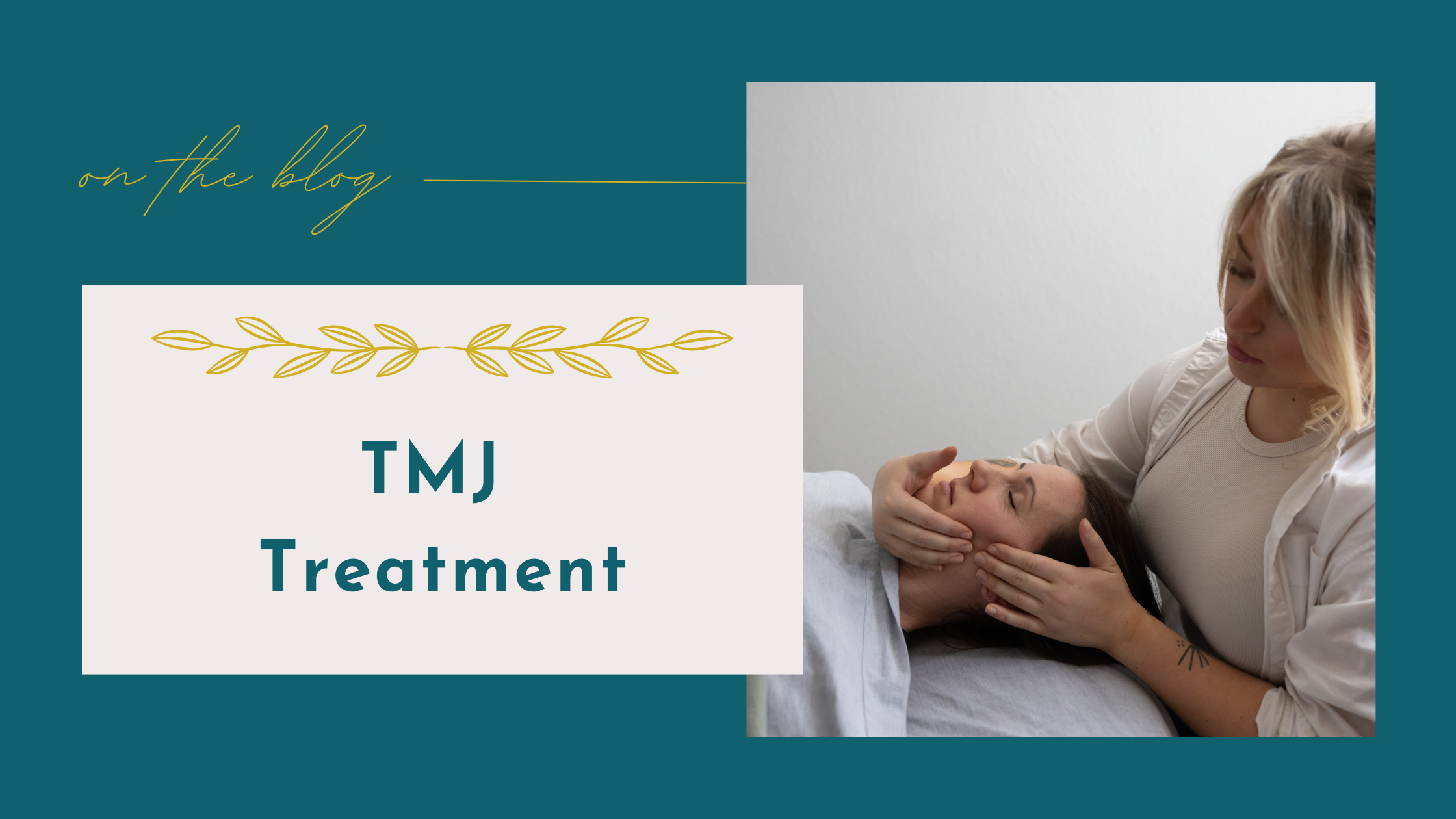
Photo by KW Designs Photography
Jaw pain can be surprisingly disruptive. Whether it shows up as a dull ache, clicking sounds, or tension that radiates into your head and neck, discomfort around the temporomandibular joint (TMJ) is something many people experience—but few fully understand. Fortunately, one simple and effective way to manage symptoms is through TMJ massage.
What Is TMJ and Why Does It Hurt?
The temporomandibular joints connect your jawbone to your skull, acting like sliding hinges on each side of your face. These joints are responsible for everyday movements like chewing, speaking, and yawning. When the muscles around them become tight or inflamed, it can lead to a condition commonly referred to as TMJ disorder (TMD).
Common causes include:
Teeth grinding (bruxism)
Stress-related jaw clenching
Poor posture (especially forward head posture)
Injury or misalignment
How TMJ Massage Helps
Massage works by relaxing tight muscles, improving blood flow, and reducing inflammation. For TMJ issues, it can:
Decrease jaw tension and stiffness
Improve range of motion
Reduce headaches, migraines and ear pain
Promote overall relaxation
Decrease clicking or popping when opening the mouth
What to Expect During a Session
Unlike traditional relaxation massage, TMJ work requires a more targeted, clinical approach. A 60-minute session focuses on the muscles of the jaw, face, head, and neck—particularly the masseter, temporalis, and surrounding connective tissues. In a 90-minute session we also include work on pelvis: there is a correlation between a tight jaw and tight pelvis. By addressing all of these areas, we can get the most release in the TMJ.
Techniques may include:
External jaw and cheek work
Trigger point therapy for the masseter
Intraoral (inside-the-mouth) massage (your therapist wears a glove)
Neck, shoulder, and pelvic integration to address contributing tension
Self-Care TMJ Massage Techniques
It can be helpful for clients with chronic jaw tension to do some self-care techniques at home to manage pain:
External Jaw Massage
Place your fingers on your cheeks, just in front of your ears. Gently press and make small circular motions. Gradually move down toward your jawline.
Tip: Keep the pressure firm but not painful.Masseter Muscle Release
The masseter is one of the main chewing muscles and often holds a lot of tension. Clench your teeth gently to feel it bulge, then relax. Use your fingers to knead this area in slow, circular motions.Temple Massage
Tension in the temples often accompanies TMJ discomfort. Use your fingertips to apply light circular pressure to your temples, breathing deeply as you go.Inside-the-Mouth Technique (Advanced)
With clean hands, you can gently massage the inside of your cheek where the jaw muscles sit. This can be very effective, but it may feel tender at first—go slowly and carefully.
Tips for Best Results
Consistency matters: A few minutes daily can make a noticeable difference.
Use heat first: Applying a warm compress before massage helps muscles relax more easily.
Mind your posture: Keeping your head aligned over your shoulders reduces strain on your jaw.
Avoid overdoing it: Too much pressure can worsen irritation.